As a mechanical design engineer, I’m responsible for leading the design, analysis, and verification of a variety of sensing and navigation products for a variety of applications, including commercial air transport, automotive, robotics, etc. This means designing the chassis or housing of the device, designing the mechanical aspects of the internal circuit cards, ensuring the product and its components can be manufactured and assembled properly, and ensuring the device can survive dynamic and thermal environments.
Inertial measurement units, or IMUs, typically consist of a series of gyroscopes and accelerometers which detect angular rate of rotation and linear acceleration, respectively. Inertial sensors can then be combined with a variety of navigation aiding sources, such as a Global Navigation Satellite System (GNSS) receiver, to provide the user with a complete navigation solution, often called an Inertial Navigation System (INS). However, inertial sensors are crucial for navigation applications. Think, for example, in the way one is able to continue using Google Maps for a short period when mobile phone signal is lost.
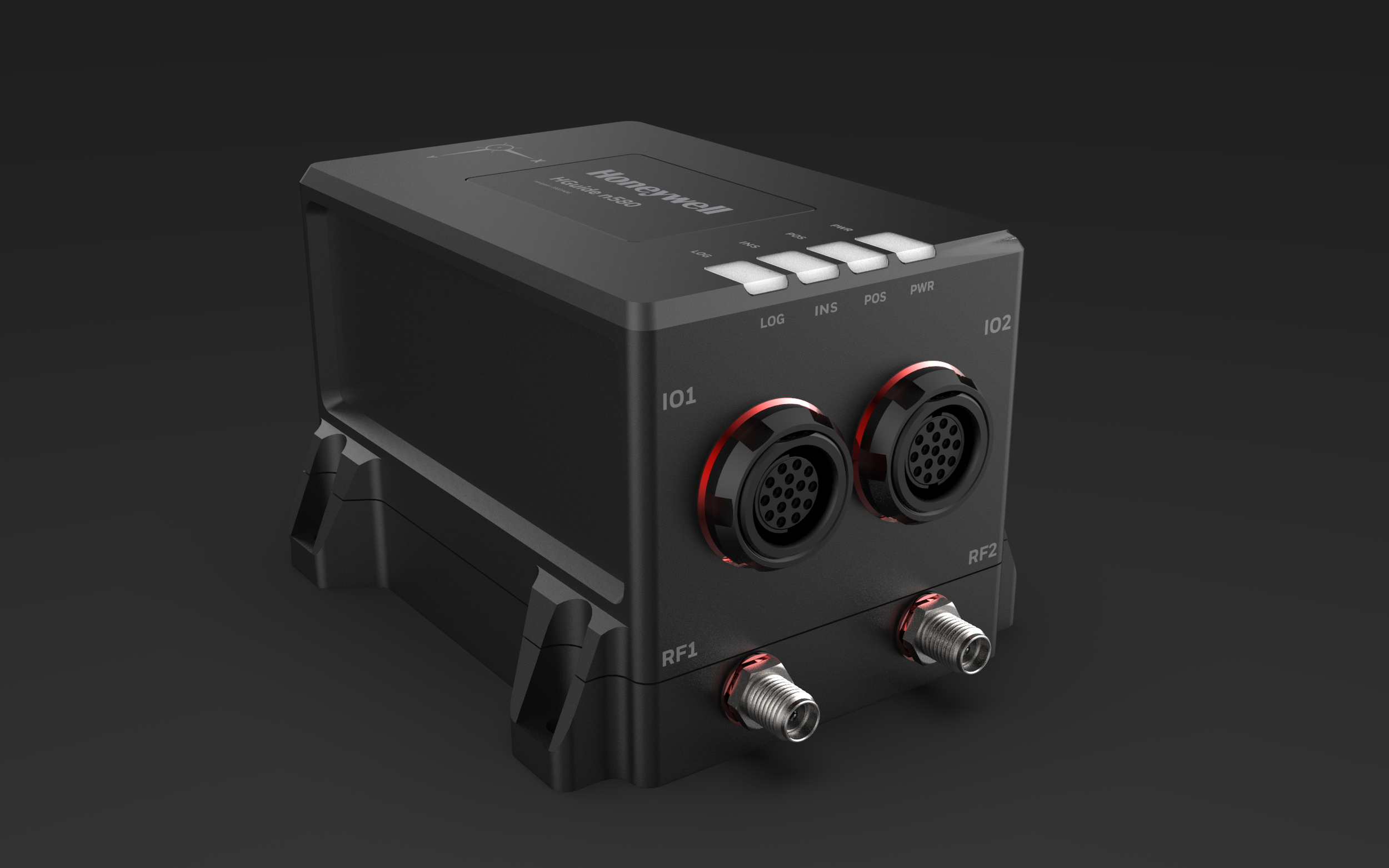
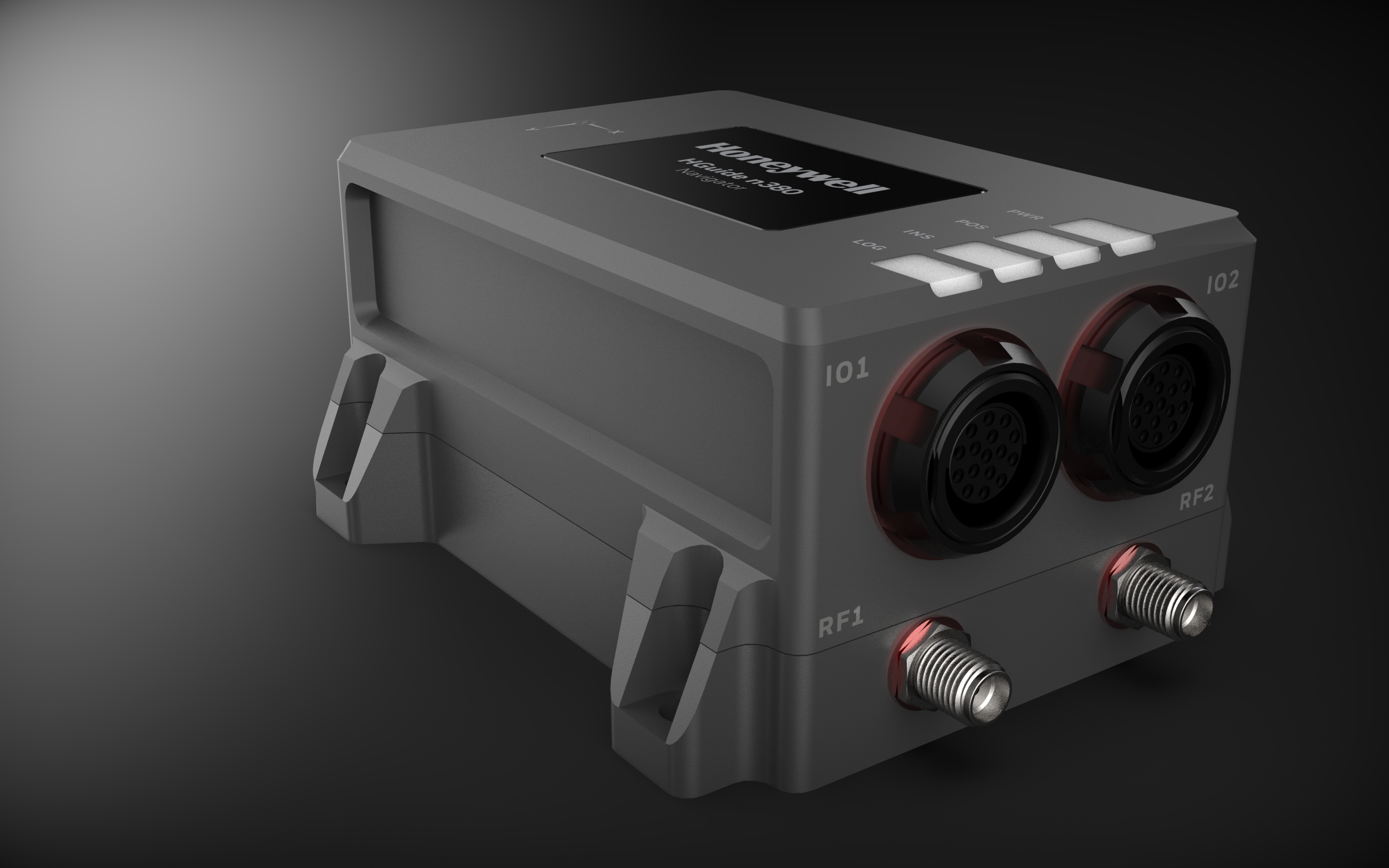
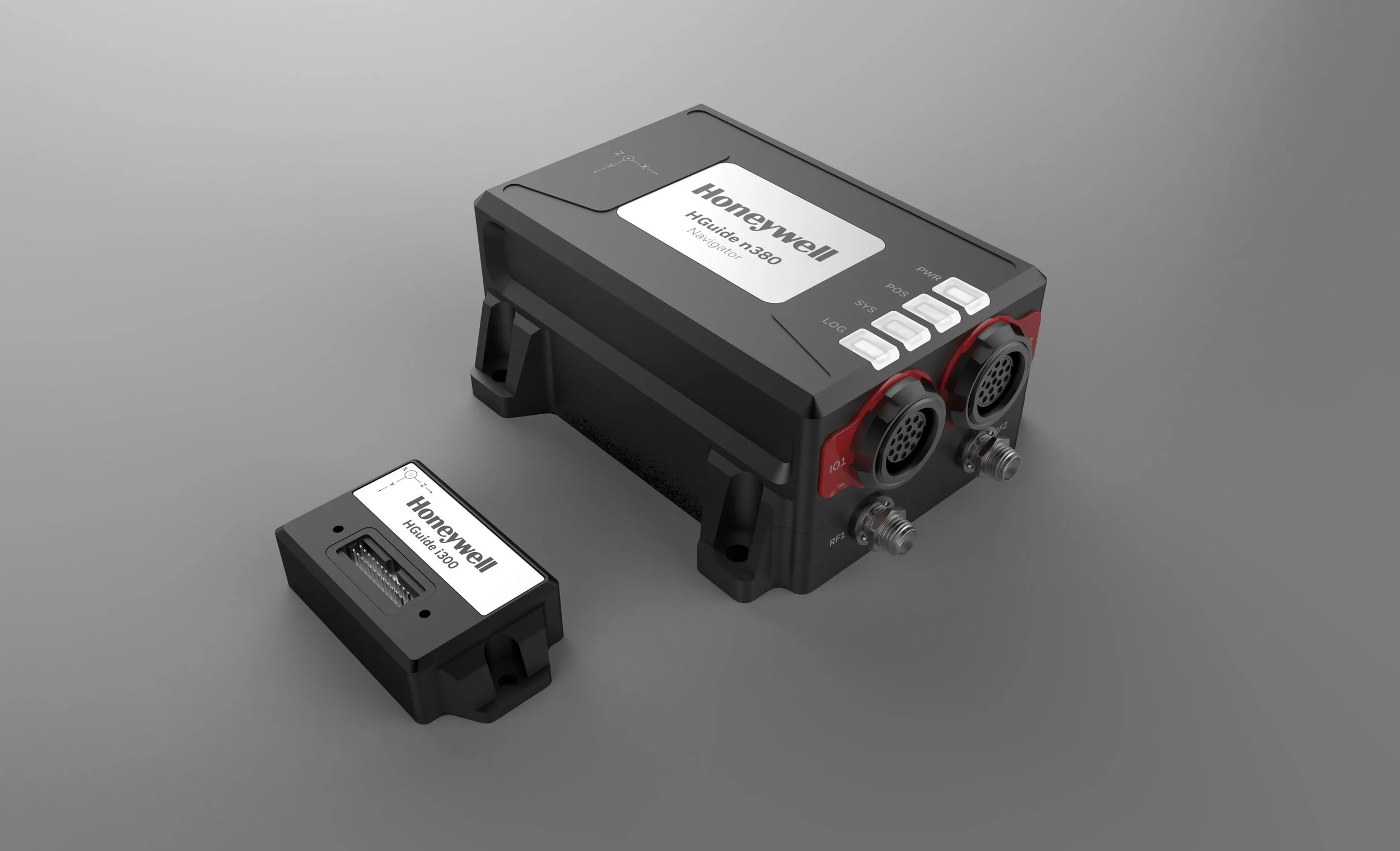
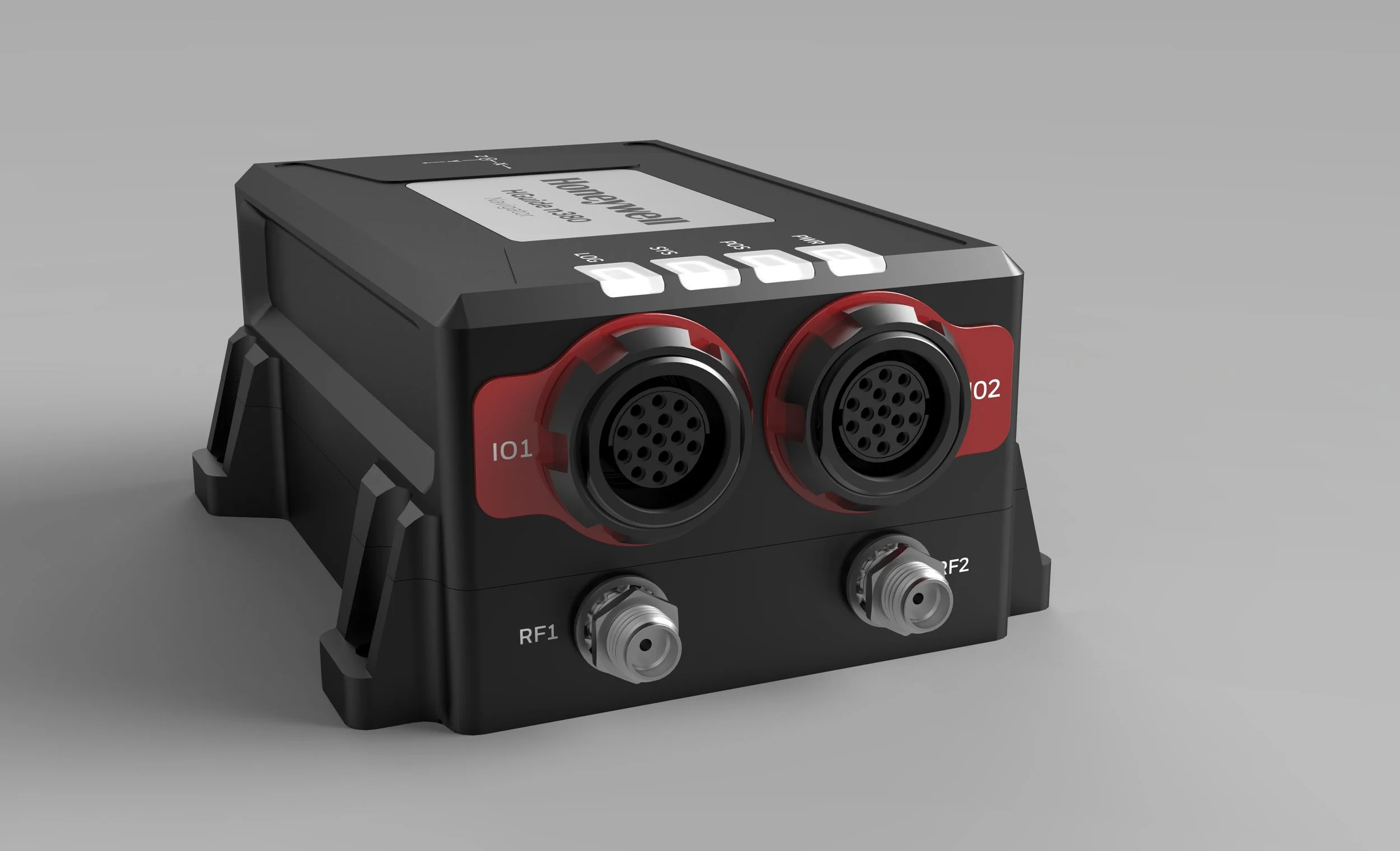
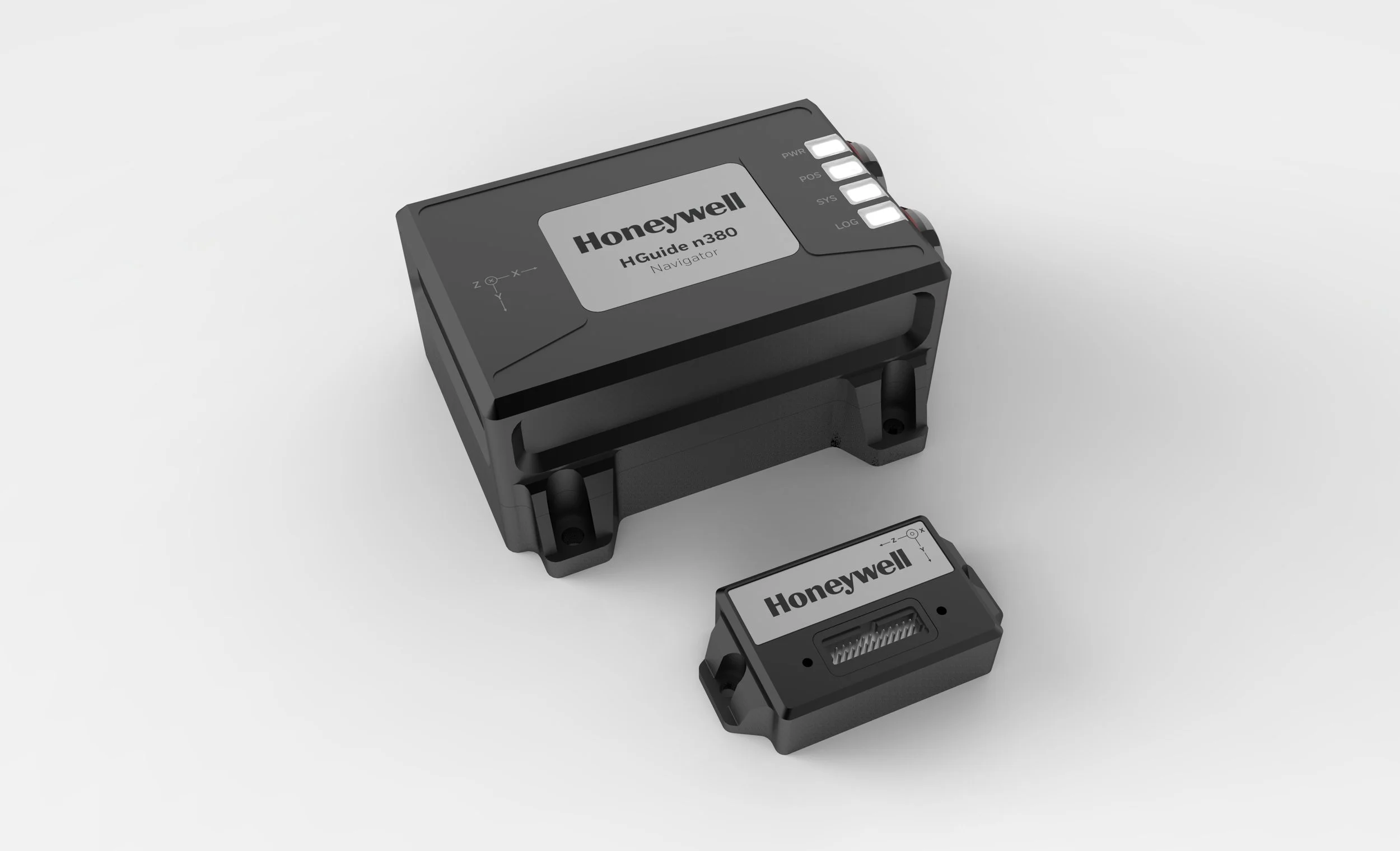
While I cannot share the totality of my work, below are a few renders of some products currently on the market for which I was responsible for the mechanical aspects of the design.
Finally, if you’re a community organizer or activist and have the need for CAD services for a community project, please feel free to reach out.